Bangladesh sits at the mouth of one of the largest river deltas on Earth, where the Ganges, Brahmaputra, and Meghna rivers converge before reaching the sea. It has more navigable waterways than almost any other country in the world, yet river travel here barely registers on most travelers’ radar.
Instead, travelers default to Europe’s Danube or Southeast Asia’s Mekong when they think of river journeys, unaware that Bangladesh offers something more immersive: a river culture that isn’t staged for tourists but woven directly into daily life.
This guide explains why Bangladesh’s rivers deserve serious consideration, what a river journey here actually looks like, and how to plan one from start to finish.
Why Bangladesh Is a River Country Like No Other
The Scale of the Delta
Bangladesh occupies the world’s largest river delta, formed where the Ganges, Brahmaputra, and Meghna rivers meet before draining into the Bay of Bengal. The country holds thousands of kilometers of navigable rivers and channels, more per square kilometer than almost anywhere else on the planet.
Rivers as the Country’s Lifeline
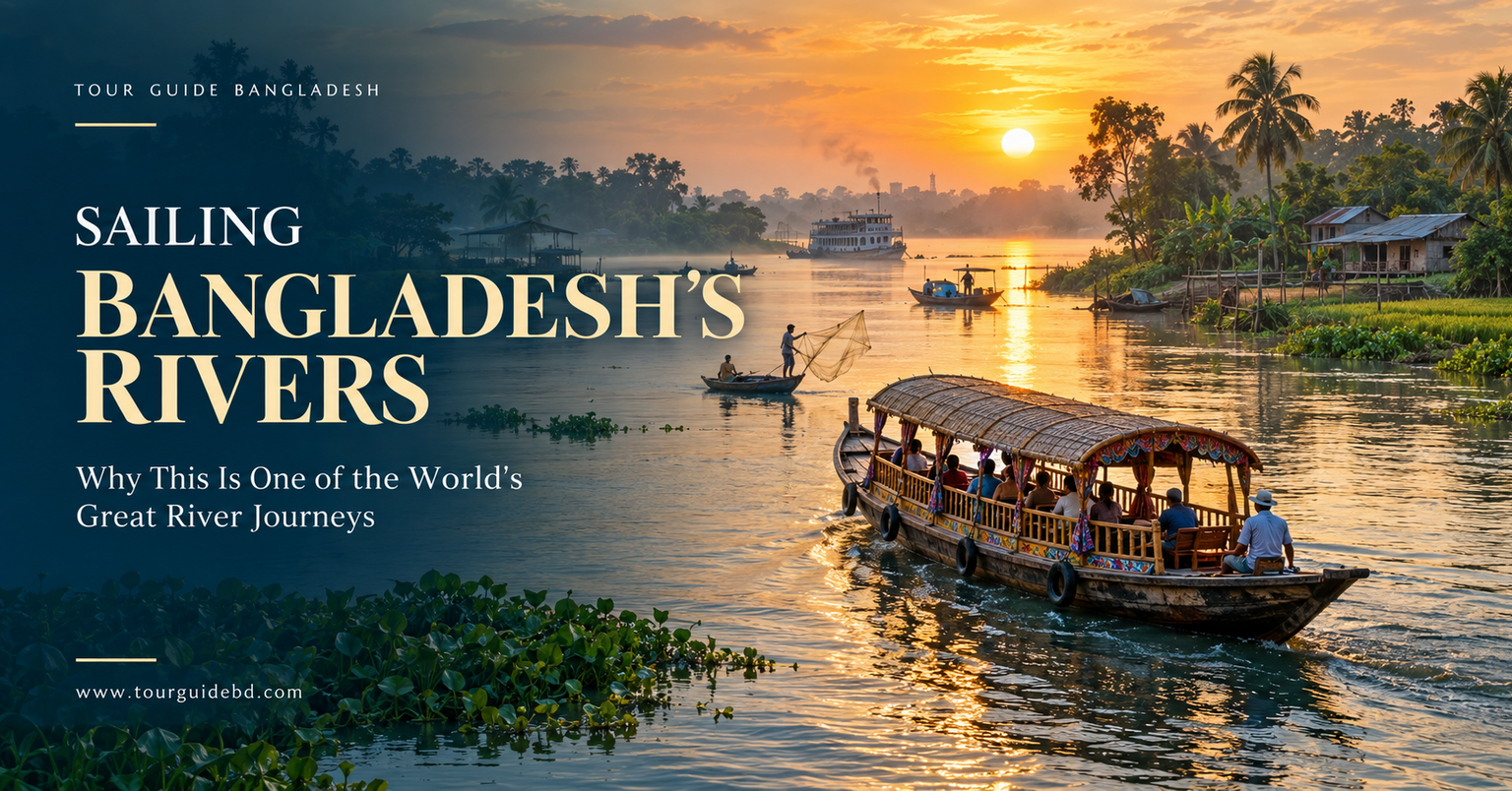
Unlike river cruises elsewhere that exist mainly for tourism, Bangladesh’s waterways remain a working transport network. Cargo boats, passenger ferries, and small fishing craft move goods and people daily, meaning travelers sail alongside real river life rather than a recreated version of it.
What a River Journey in Bangladesh Looks Like
Traditional Vessels
Several vessel types shape the experience:
- Country boats: small wooden craft used for short village-to-village travel
- Rocket steamers: historic paddle steamers still running select routes, a genuine link to colonial-era river travel
- Modern live-aboard boats: equipped with private cabins, used for multi-day guided journeys
Popular Routes
Common routes include:
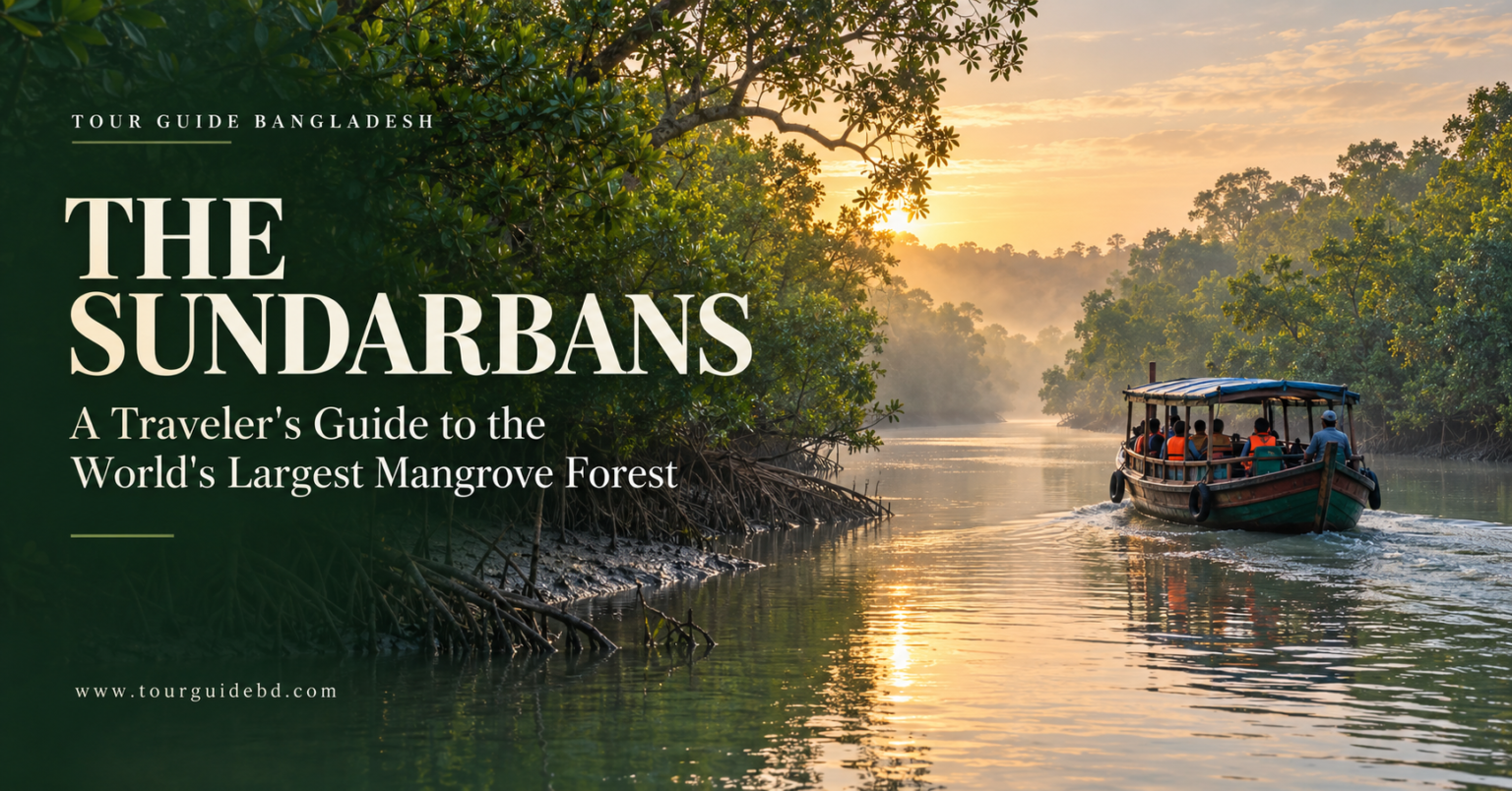
- Dhaka to the Sundarbans via Barisal, tracing the delta south toward the mangrove coast
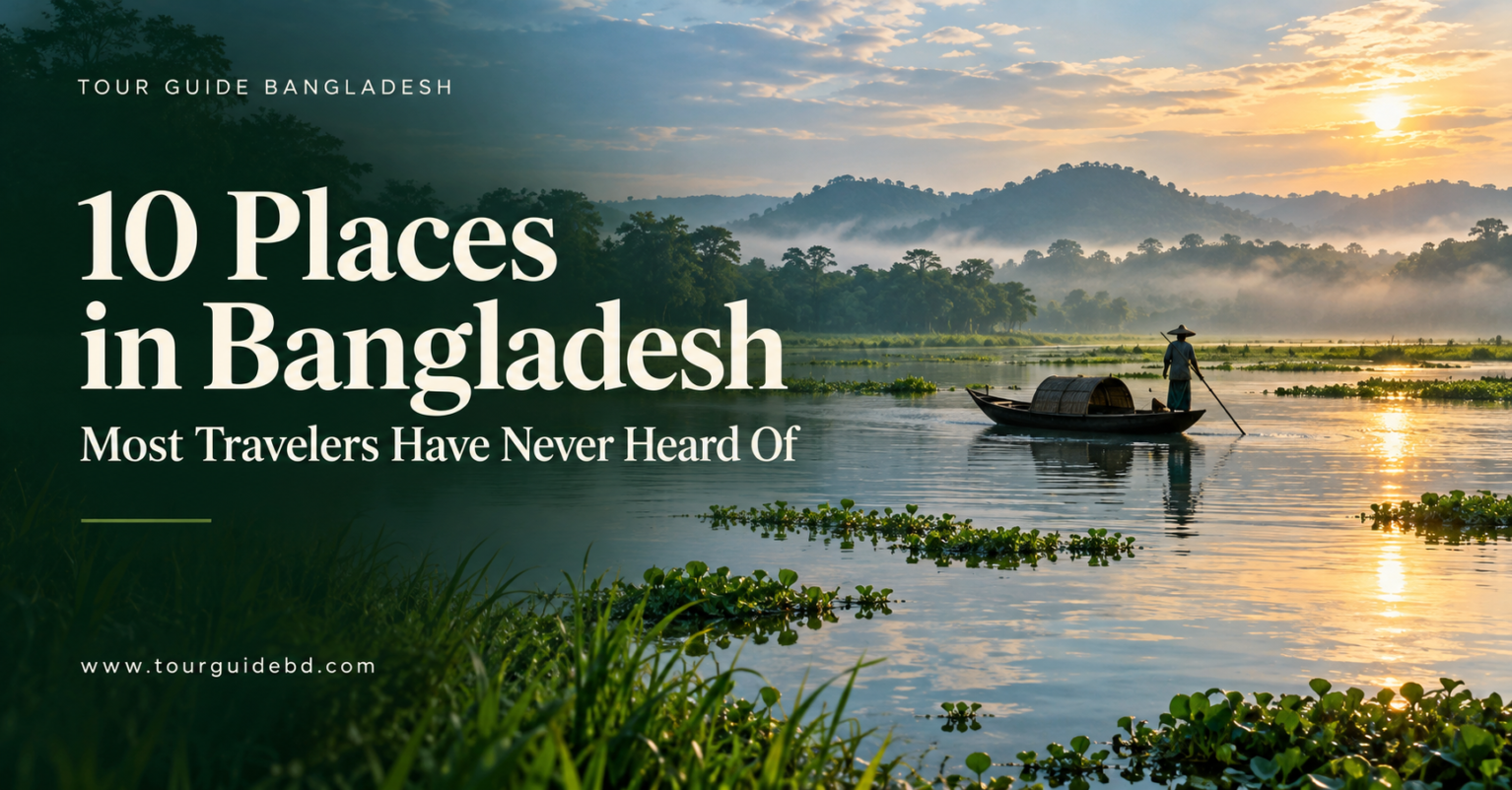
- Dhaka to Sylhet’s haor region, connecting the capital to the country’s wetland interior
- Padma River routes near Chapai Nawabganj, pairing river travel with riverside heritage sites
What You’ll Experience Along the Way
Life on the Water
A river journey here means passing through scenes that define the country:
- Floating markets where vendors trade produce boat to boat
- Fishing villages built directly along the banks
- Riverside temples and mosques marking centuries of settlement along these waterways
Landscapes That Shift by Season
The rivers look entirely different depending on when you sail:
- Monsoon season (June to October): swollen rivers, flooded plains, and a green, saturated landscape
- Dry season (November to March): lower water levels, exposed sandbars, and calmer conditions for longer journeys
How to Plan Your Own River Journey
Best Time to Sail
The dry season generally offers the most comfortable sailing conditions, with clearer skies and steadier water levels. Monsoon season delivers dramatic scenery but comes with less predictable travel conditions.
What to Expect on Board
Most guided river journeys include:
- Multi-day itineraries, typically three to seven nights depending on the route
- Private or shared cabin accommodation on live-aboard boats
- Meals prepared on board, often featuring fresh river fish
- A local guide managing navigation, stops, and cultural context along the way
A River Culture Worth Discovering
Bangladesh’s rivers offer a rare, living river culture: not a cruise built around scenery alone, but a journey through daily life that has run on water for centuries. Few destinations left can offer that kind of authenticity at this scale.
If a river journey sounds like the kind of trip you’re after, send us your travel dates, group size, and interests on WhatsApp, and we will build a personalized river itinerary around it.