
Is Bangladesh Safe for Tourists? An Honest 2026 Guide from Local Guides
Updated October 2026 by the Tour Guide BD team in Sylhet. Travel advice changes, so please always check your own government’s latest guidance before you travel.
Is Bangladesh safe for tourists? For most visitors, yes, if you plan carefully. Most of the country, including Dhaka, Sylhet, the Sundarbans and Cox’s Bazar, can be visited with normal precautions, and serious crime against tourists is rare. The main risks are road safety, crowds, political protests and the weather. A few areas, mainly the Chittagong Hill Tracts, are best avoided based on current government advice.
We are a local tour operator based in Sylhet, and we guide international travelers across Bangladesh every season. Below is an honest guide to what the official travel advisories say, which areas are easiest to visit, the real risks you should know about, and how to stay safe.
What do government travel advisories say about Bangladesh in 2026?
Government travel advisories are the best starting point, because they are updated as situations change and travel insurance often depends on them. Here is a summary as of October 2026:
- United States: In July 2026 the US State Department lowered its overall advisory for Bangladesh from Level 3 (“Reconsider Travel”) to Level 2, “Exercise Increased Caution”, citing improved conditions. It still lists the Chittagong Hill Tracts as Level 4, “Do Not Travel”, and advises extra caution near the Myanmar border and the refugee camps near Cox’s Bazar. Read the US advisory
- United Kingdom: The UK Foreign, Commonwealth & Development Office (FCDO) advises against all but essential travel to parts of Bangladesh, mainly the Chittagong Hill Tracts districts of Rangamati, Khagrachari and Bandarban. It also advises staying away from protests and large gatherings. Read the UK advice
- Canada: Canada asks travelers to exercise a high degree of caution in Bangladesh and to avoid all travel to the Chittagong Hill Tracts. Read the Canadian advice
In short, the advisories ask visitors to be careful rather than to stay away from the country as a whole, with one clear exception: the Chittagong Hill Tracts. If you travel against your government’s advice, your travel insurance may not cover you, so check your policy.
The safest and easiest places to visit in Bangladesh
These are the destinations most international visitors enjoy, and where we run regular private tours:
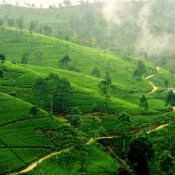
- Sylhet and Srimangal: green tea gardens, the Ratargul swamp forest, Lalakhal and Jaflong. The region is relaxed and welcoming, and it is our home. See our Sylhet & Srimangal tea country tour.
- The Sundarbans: the world’s largest mangrove forest is visited by boat with licensed operators, permits and armed forest guards. See our Sundarbans boat expedition.
- Dhaka: busy and intense, but fascinating. Old Dhaka is best explored with a guide, who also helps with traffic and crowds. See our Old Dhaka heritage day tour.
- Cox’s Bazar: the beach town is popular with Bangladeshi holidaymakers. Stay away from the refugee camp areas and the Myanmar border to the south. See our Cox’s Bazar beach tour.
Areas where you should take extra care
The Chittagong Hill Tracts
The hill districts of Bandarban, Rangamati and Khagrachari are some of the most beautiful places in Bangladesh, with lakes, hills and indigenous communities. However, the US, UK and Canadian governments currently advise against travel there because of the risk of unrest and kidnapping, and foreign visitors may need advance government permission. Please read your government’s latest advice and check your insurance before considering a visit, and travel only with an experienced operator if you go.
Border areas and refugee camps
Avoid the areas close to the Myanmar border and the Rohingya refugee camps south of Cox’s Bazar unless you have a specific, approved reason to be there.
Political protests and strikes
Rallies, protests and strikes (called hartals) can happen anywhere, especially in Dhaka and around elections. They can turn tense quickly and disrupt transport. Avoid crowds and demonstrations, follow local news, and be ready to change your plans for a day. Our guides keep track of this for our guests.
The real everyday risks, and how to avoid them
- Road safety: this is the biggest real risk in Bangladesh. Traffic is chaotic and driving standards vary. Use a reputable private driver, wear a seatbelt where available, avoid night driving on highways, and take extra care crossing busy roads.
- Petty theft: pickpocketing can happen in crowded markets, stations and buses. Keep your phone and wallet secure, carry a copy of your passport rather than the original, and use a money belt in busy areas.
- Scams and overcharging: agree on prices before you take a rickshaw or CNG (auto-rickshaw), and be wary of strangers offering unofficial tours or money exchange.
- Food and water: drink bottled or filtered water, eat freshly cooked food, and be careful with raw salads and ice. Never drink locally made alcohol, which can be dangerous.
- Weather and natural hazards: the monsoon (about June to October) can bring floods and landslides, and cyclones can affect coastal areas. Follow weather warnings and stay flexible.
- Power cuts: outages happen, so carry a power bank and a small torch.
Is Bangladesh safe for women travelers?
Many women travel in Bangladesh, both solo and in groups, and most find people helpful and hospitable. You will probably attract attention and questions, especially outside the cities. Dressing modestly, with shoulders and knees covered and a light scarf to hand, helps you feel more comfortable and is appreciated locally. Avoid walking alone late at night, choose reputable hotels and transport, and consider traveling with a guide. You can ask us about a female guide when you book.
Health and medical care
Please see a travel clinic or your doctor 4 to 8 weeks before your trip for advice on vaccinations and malaria precautions, and make sure your travel insurance covers medical treatment and evacuation. Good private hospitals are available in Dhaka and some larger cities, but facilities in rural areas are basic. For a full list of what to bring, read our Bangladesh packing list.
10 practical safety tips for Bangladesh
- Check your government’s travel advice before booking and again before you fly.
- Buy travel insurance that covers your whole itinerary, including medical evacuation.
- Register with your embassy’s travel alert service, if it has one.
- Avoid political rallies, protests and large crowds.
- Use trusted drivers, hotels and tour operators, and avoid night-time highway travel.
- Dress modestly and remove your shoes when entering mosques and temples.
- Keep copies of your passport and visa separate from the originals.
- Drink bottled or filtered water and never drink locally made alcohol.
- Keep a local SIM card and share your itinerary with someone at home.
- Save the national emergency number, 999, in your phone.
Why traveling with a local guide makes a difference
A good local guide does not just show you the sights. They read situations, speak the language, know which roads and areas to avoid that day, and handle transport, permits and hotels so you are never stuck. All our tours are private, with an English-speaking guide, trusted drivers and 24-hour WhatsApp support. Many of our guests tell us this is what made them feel relaxed in Bangladesh. If it is your first visit, our Best of Bangladesh in 10 days tour covers the highlights at a comfortable pace.
Frequently asked questions
Is Bangladesh safe for tourists right now?
Most of Bangladesh can be visited safely with normal precautions and good local knowledge. In July 2026 the US government lowered its overall advisory for Bangladesh to Level 2, “Exercise Increased Caution”. However, the US, UK and Canada still advise against travel to the Chittagong Hill Tracts, so always check your own government’s latest advice before you book.
Is Bangladesh safe for solo female travelers?
Many women travel in Bangladesh without problems, especially with a guide. Expect curious looks and questions, dress modestly with shoulders and knees covered, and avoid walking alone late at night. Traveling with a reputable guide or tour operator removes most of the day-to-day hassle.
What are the main risks for tourists in Bangladesh?
The most common risks are road accidents, petty theft in crowded places, getting caught up in political protests or strikes, stomach upsets from food and water, and natural hazards such as floods and cyclones. Serious crime against tourists is uncommon.
Which parts of Bangladesh should tourists avoid?
The US, UK and Canadian governments advise against travel to the Chittagong Hill Tracts (Rangamati, Khagrachari and Bandarban districts). Extra caution is also advised near the border with Myanmar and the refugee camps outside Cox’s Bazar. Avoid political rallies and demonstrations anywhere in the country.
What is the emergency number in Bangladesh?
The national emergency number in Bangladesh is 999, for police, fire and ambulance. Bangladesh also has a dedicated Tourist Police unit at major tourist destinations.
For more on visas, money, food and the best time to visit, see our Bangladesh Travel FAQ.
Plan a safe, private trip to Bangladesh
Tell us your dates and interests and we will send you a free, personalized itinerary, with advice on the safest routes for your trip.
Call or WhatsApp: +1 (306) 581-1135 · Request a free quote